




 1
1
IEA to Release 400 Million Barrels of Oil From Strategic Reserves Amid Iran War
The International Energy Agency (IEA) has agreed to release 400 million barrels of oil from the strategic reserves of its member countries to stabilise global energy markets as prices surge during the ongoing conflict involving the United States, Israel and Iran.
The planned release is significantly larger than the 182 million barrels released by IEA members in 2022 after Russia launched its full-scale invasion of Ukraine. The move reflects growing concern about the impact of the war on global oil supplies and prices.
IEA Executive Director Fatih Birol said the current oil market challenges are “unprecedented in scale,” prompting the agency’s member countries to take an emergency collective action of historic size.
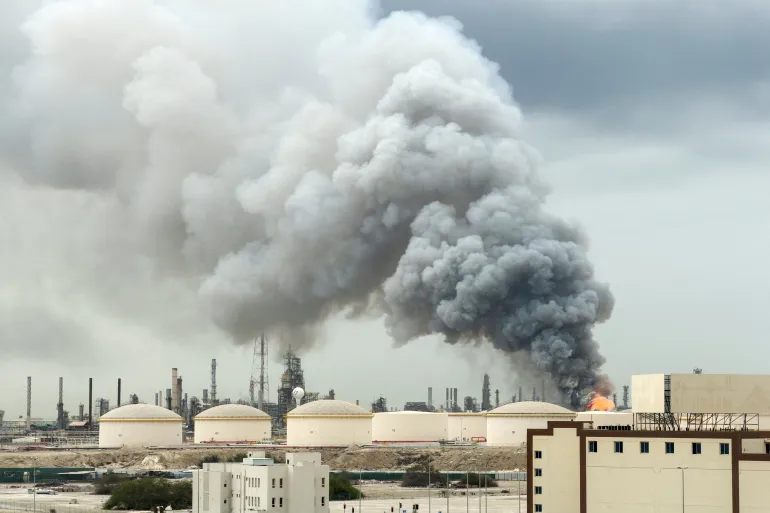
According to the IEA, several factors have disrupted global energy markets. Attacks and damage to energy infrastructure in the Middle East have affected production and refining operations. Some oil producers have begun reducing output due to limited export routes and storage capacity, which has further tightened global supply.
The conflict has also affected fuel availability. Disruptions at refineries have created concerns about shortages of jet fuel and diesel, which are essential for transportation and global trade.
IEA member countries currently hold more than 1.2 billion barrels of emergency oil reserves, while an additional 600 million barrels are maintained by industry under government obligations.
The crisis escalated after the war began on February 28, when Iran effectively restricted shipping through the Strait of Hormuz by threatening attacks on vessels passing through the strategic waterway. The route is one of the world’s most critical energy corridors, with around one-fifth of global oil and gas supplies transported through it.
Analysts warn that continued disruptions in the Strait of Hormuz could further destabilise global energy markets and push oil prices higher in the coming weeks.